Clean Keto vs Dirty Keto: What Actually Matters?
What does the evidence actually say about food quality on a low-carb or keto diet? A balanced, non-preachy look at clean vs dirty keto for UK readers — including the one area where the science is unambiguous.
Published
The terms “clean keto” and “dirty keto” are everywhere in low-carb communities, but they carry almost no clinical meaning. They emerged from social media around 2017–2018 as shorthand for two different approaches to carbohydrate restriction — one focused obsessively on food quality and provenance, the other focused purely on keeping carbs low regardless of what the food actually is.
This guide takes neither side. The evidence is more nuanced than either camp acknowledges, and for most people the honest answer is: food quality matters, but probably not in the way most clean-eating rhetoric suggests.
What these terms actually mean
Neither “clean keto” nor “dirty keto” has a clinical definition. They’re community constructs, not medical ones.
| Approach | Focus | What it typically looks like |
|---|---|---|
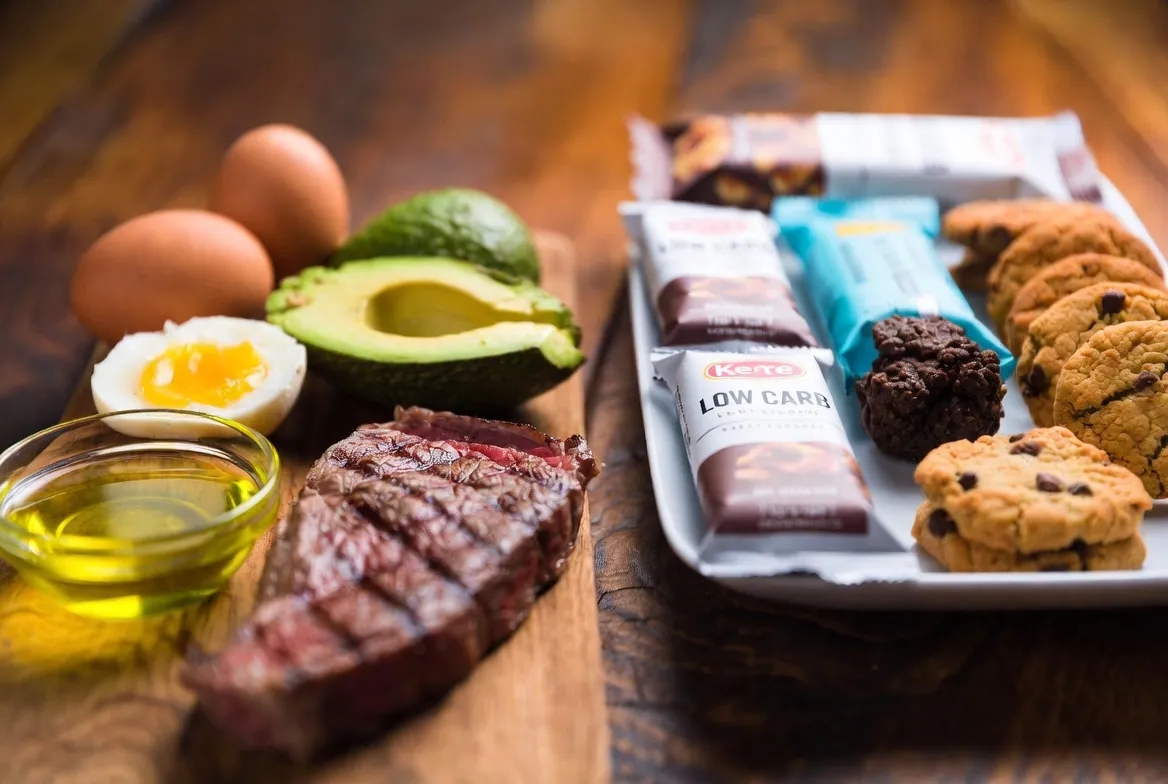
| Clean keto | Nutrient density and whole foods | Grass-fed meat, wild-caught fish, free-range eggs, olive oil, non-starchy vegetables. No artificial sweeteners or processed foods. |
| Dirty keto | Macronutrient compliance only | Anything that keeps carbs below the threshold — including fast food without the bun, processed cheese, artificially sweetened drinks, and protein bars. |
| Lazy keto | Convenience | Only tracks net carbs (usually under 20–50g). Doesn’t count calories, fat, or protein. Food quality varies. |
Biochemically, ketosis works the same regardless of which approach you take. If hepatic glycogen is depleted, the liver produces ketone bodies whether the fat came from an avocado or a processed cheese slice. This is the central claim of the dirty keto philosophy and it’s technically correct.
The question is whether that equivalence extends beyond the induction of ketosis to long-term health outcomes. The evidence says: not entirely.
Does food quality affect the depth of ketosis?
Actually, yes — though probably not in the way you’d expect.
Research comparing saturated-fat-dominant ketogenic diets against polyunsaturated-fat-dominant ones (matched for calories and carbohydrates) found that the PUFA-rich diet induced significantly deeper ketosis. Mean circulating beta-hydroxybutyrate (BHB, the primary ketone body) increased by 8.4 mg/dl on the PUFA diet versus 3.1 mg/dl on the saturated fat diet, with additional improvements in insulin sensitivity in the PUFA group.
MCT oil (medium-chain triglycerides, found in coconut oil and available as a supplement) also produces ketones more rapidly than long-chain fats, because MCTs bypass normal fat digestion and go directly to the liver for conversion. If depth of ketosis matters to you, food choice within a low-carb framework genuinely affects it.
In practical terms: olive oil, oily fish, and nuts are not only “cleaner” choices in the philosophical sense — they appear to be metabolically more efficient at sustaining ketosis than the same calories from processed animal fats.
Does ultra-processed food undermine low-carb benefits?
This is where the evidence gets complicated — and where the famous Kevin Hall UPF study is frequently cited without its important limitations.
The Hall study (2019): In a highly controlled inpatient trial, 20 adults spent two weeks each eating an ultra-processed diet and a whole-food diet, matched for calories, sugar, fat, and salt. Eating ad libitum, participants consumed an average of 500 extra calories per day on the ultra-processed diet and gained weight; they lost weight on the whole-food diet. The conclusion was that ultra-processed foods override natural satiety signals and cause passive overconsumption.
The critical limitation for keto specifically: The ultra-processed diet in Hall’s study was high in refined carbohydrates — sweetened cereals, refined bread, sugary yoghurts. A dirty keto diet, by definition, restricts carbohydrates. A low-carb ultra-processed product (like a sucralose-sweetened protein bar) does not trigger the same glycaemic excursion as the foods Hall studied. The passive overconsumption effect may still apply, but the study is not direct evidence that dirty keto causes the same harm as a standard ultra-processed diet.
In a subsequent 2021 study, Hall directly compared a minimally processed low-fat plant-based diet against a minimally processed ketogenic diet. The keto group consumed more calories but still achieved greater short-term fat loss. This suggests carbohydrate restriction has meaningful metabolic effects independent of food processing. However, merging low-carb with heavy ultra-processed food creates a situation where the appetite-suppressing benefits of ketosis are competing with the hyper-palatability of industrial foods — a competition that tends to erode results over time.
The practical takeaway: Whole foods on low-carb almost certainly produce better long-term outcomes than processed alternatives. But the evidence for this is largely mechanistic and extrapolated rather than from direct long-term randomised comparisons of matched low-carb diets that differ only in processing level.
The NOVA system: categorising UK low-carb foods
NOVA is the most widely used classification system for food processing, developed at the University of São Paulo and now referenced by SACN and other UK health bodies.
| NOVA Group | Definition | Low-carb examples |
|---|---|---|
| Group 1 | Unprocessed or minimally processed | Eggs, fresh meat, raw fish, vegetables, nuts, butter |
| Group 2 | Processed culinary ingredients | Olive oil, salt, vinegar, cream |
| Group 3 | Processed foods | Traditional cheeses, canned fish in olive oil, Schneider Brot protein bread |
| Group 4 | Ultra-processed (UPFs) | Pulsin keto bars, PhD Diet Whey bars, diet sodas, LivLife bread (borderline 3/4) |
Common UK keto products classified as NOVA Group 4 include most protein bars (pea protein isolate, tapioca fibre, sucralose, emulsifiers) and artificially sweetened drinks. Schneider Brot Organic Protein Bread is notably classified as Group 3 rather than Group 4, because it uses only wheat protein, soya flour, seeds, and salt — no cosmetic additives or sweeteners.
What UK health bodies say about UPFs: SACN’s 2023/2025 rapid evidence update acknowledges consistent observational evidence linking high UPF consumption to increased risk of obesity, type 2 diabetes, cardiovascular disease, and depression. UPFs contribute approximately 51% of total dietary energy for UK adults. However, SACN stops short of recommending total UPF avoidance, partly because it remains unclear whether the harm comes from the processing itself or simply from the fact that most UPFs have poor nutritional profiles. The UK government has not introduced a specific national target to reduce UPF consumption as a category.
Artificial sweeteners: the honest picture
Artificial sweeteners are the backbone of dirty keto — they allow sweet food and drink without carbohydrates. The evidence around them is genuinely mixed.
SACN’s 2025 position statement (reviewing WHO guidelines) found:
- Short-term RCTs consistently show that replacing sugar with sweeteners reduces calorie intake and produces modest weight loss
- Long-term observational studies show associations between high sweetener consumption and increased risk of obesity, type 2 diabetes, and cardiovascular disease
- SACN acknowledges the observational findings require caution because of reverse causality — people who are already metabolically compromised are more likely to drink diet drinks, which can make sweeteners look causally harmful when they may not be
Two more specific concerns are worth noting:
Cephalic phase insulin response: Tasting sweetness — even without glucose — can trigger a small anticipatory insulin release from the pancreas. This response is generally smaller than that caused by sugar and its long-term significance is debated, but repeated sweet taste without caloric delivery may subtly affect insulin dynamics over time.
Gut microbiome: Human and animal studies suggest sucralose and saccharin may reduce populations of Bifidobacterium and Lactobacillus. This is a legitimate concern but the evidence is not yet strong enough to draw firm conclusions about clinical harm at typical consumption levels.
The pragmatic position: Occasional artificially sweetened products are unlikely to cause meaningful harm for most people on a low-carb diet. Daily large quantities are a different matter. Diet drinks as an occasional convenience tool are very different to three cans of Pepsi Max per day.
The one area where the evidence is unambiguous: processed meat
This is the section that separates genuine food-quality concern from wellness-influencer moralising. There is one category of “dirty keto” food where the evidence of long-term harm is robust, consistent, and endorsed by every major UK health body.
Processed meat — bacon, ham, salami, chorizo, hot dogs, cured sausages, corned beef — is a confirmed cause of colorectal cancer. This is the position of the NHS, SACN, Cancer Research UK, and the World Cancer Research Fund.
The mechanism is well-understood: nitrites and nitrates used in curing form carcinogenic N-nitroso compounds in the gut. High-heat cooking of processed meats also produces heterocyclic amines and polycyclic aromatic hydrocarbons, both established carcinogens.
Current UK guidance: The NHS and WCRF advise eating little to no processed meat, and limiting unprocessed red meat to no more than approximately 350–500g cooked weight per week. The UK government advises anyone consuming more than 90g of red and processed meat per day to reduce to the population average of 70g per day.
This doesn’t mean bacon is poison or that a full English once a week causes cancer. The dose-response relationship matters. But dirty keto approaches that use processed meats as a daily fat macro strategy — multiple rashers of bacon, salami, and processed deli meats every day — carry a meaningfully elevated cancer risk over years. This is the genuine case against the extreme end of dirty keto, and it’s grounded in evidence that the clean-eating moralising about seed oils and artificial sweeteners simply isn’t.
Cholesterol: the LMHR question
A subset of lean, active people experience dramatic LDL cholesterol increases on a ketogenic diet — sometimes exceeding 200–300 mg/dL — while simultaneously showing very high HDL and very low triglycerides. This is the “Lean Mass Hyper-Responder” (LMHR) phenotype.
The proposed mechanism (the Lipid Energy Model) suggests these individuals, having minimal body fat, rely almost entirely on circulating free fatty acids for energy, which drives high VLDL output from the liver. As tissues extract the triglycerides for fuel, the remnant particles become LDL.
The KETO-CTA study — a 2025 trial tracking 100 LMHR individuals over one year using coronary CT angiography — found no association between highly elevated LDL/ApoB and coronary plaque progression. The only predictor of plaque progression was baseline plaque already present before starting the diet.
Two important caveats: one year is nowhere near sufficient to assess atherosclerosis, which develops over decades. And the study had no control group. This is fascinating and potentially reassuring data, but it is not a green light to ignore dramatically elevated LDL indefinitely, particularly on a dirty keto diet where systemic inflammation from processed foods may accelerate atherogenesis.
If your LDL rises significantly on low-carb, discuss it with your GP rather than relying on community reassurances.
Gut microbiome: the fibre question
A clean keto diet incorporating large quantities of non-starchy vegetables, nuts, and seeds delivers meaningful dietary fibre. A dirty keto diet built around processed meat, cheese, and artificially sweetened snacks may deliver very little.
Dietary fibre is fermented by gut bacteria into short-chain fatty acids (SCFAs), particularly butyrate, which maintains the integrity of the intestinal lining, regulates local immune response, and suppresses systemic inflammation. Severely depleting fibre intake consistently reduces populations of beneficial bacteria, particularly Bifidobacterium.
Current evidence does not establish that a low-carb diet is inherently harmful to the microbiome — outcomes depend heavily on how much plant matter is included. A dirty keto diet that avoids vegetables is genuinely more likely to cause microbiome disruption than one that includes broccoli, courgette, spinach, avocado, and nuts.
A practical framework: thinking in tiers
Rather than clean vs dirty as a binary, a tiered approach reflects the actual evidence better.
| Tier | What to eat | Why |
|---|---|---|
| Foundation (80–90%) | Unprocessed whole foods: fresh meat and fish, eggs, dairy, olive oil, avocados, nuts, non-starchy vegetables | Best long-term outcomes for cardiovascular health, gut microbiome, and micronutrient adequacy |
| Acceptable shortcuts (10–15%) | Lightly processed foods: quality protein bread (Schneider Brot), canned fish in olive oil, natural cheeses, full-fat yogurt | Aids sustainability without meaningful downside |
| Occasional convenience (under 5%) | Low-carb protein bars, diet drinks, artificially sweetened products | Useful rescue tools for travel or cravings — not daily staples |
| Minimise | Processed meats consumed in large daily quantities | The one category with robust, consistent evidence of long-term harm |
The honest bottom line
Dirty keto works. For someone transitioning from a standard Western diet high in refined carbohydrates and sugar, dropping carbs — even if the remaining food is fairly processed — will produce meaningful metabolic improvements. Reducing hyperinsulinemia, lowering fasting glucose, and losing weight are all realistic outcomes from dirty keto. Don’t let perfect be the enemy of good.
But dirty keto as a permanent, indefinite lifestyle has genuine trade-offs: less micronutrient density, likely worse gut microbiome outcomes, more appetite-fighting from hyper-palatable foods, and — specifically with heavy processed meat consumption — an elevated colorectal cancer risk that the evidence treats seriously.
The practical target for most people is somewhere in the middle: whole foods as the default, processed shortcuts used occasionally rather than as the foundation, and an honest eye on how much processed meat is actually appearing on the plate each week.
Food quality matters on low-carb. It just doesn’t matter in the way that clean-eating absolutism suggests — with olive oil as morally virtuous and a square of Lindt 85% as a dietary transgression. The real distinctions are coarser and more practical than that.
Related: Low Carb and Diabetes in the UK | UK Net Carbs Explained
Last reviewed: March 2026.
Some links in this article may be affiliate links. If you buy through them, we may earn a small commission at no extra cost to you — it helps keep this site free. We only ever link to products we’d actually use.