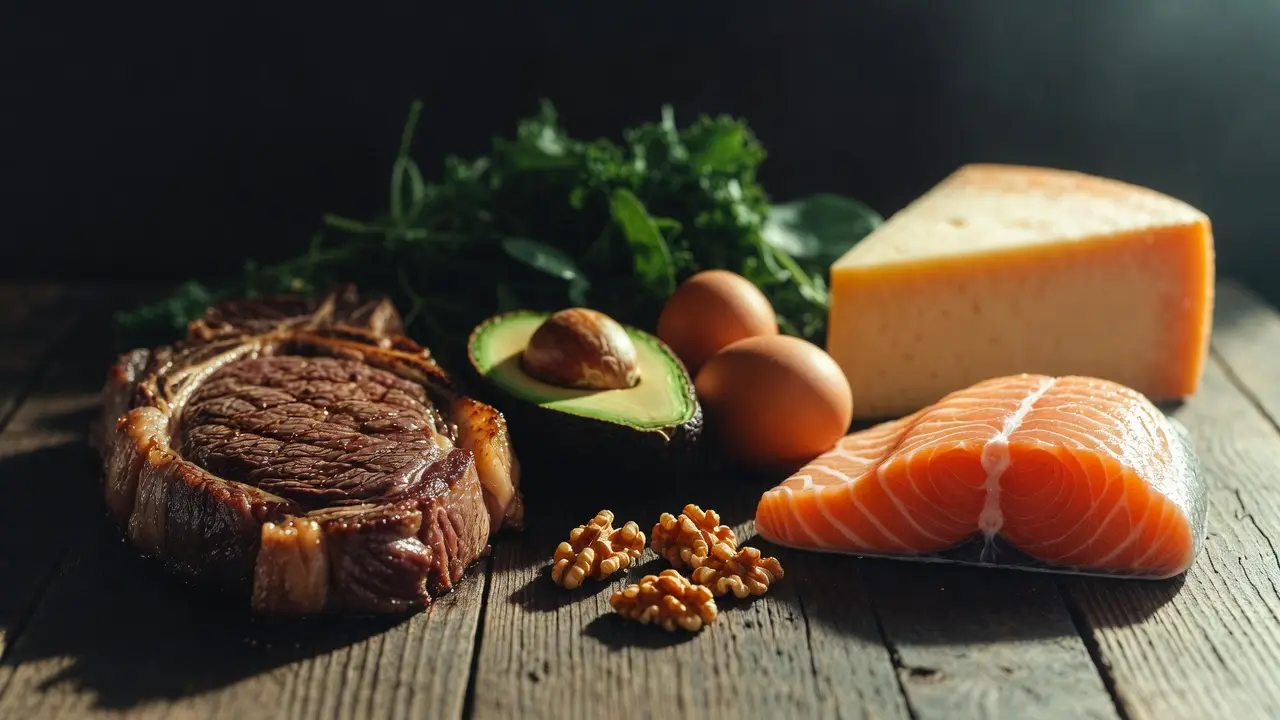
A straightforward explanation of what low-carb eating actually means — no jargon, no complicated science, just what you need to know to get started.
What is low carb?
At its simplest, a low-carb diet is about reducing the amount of carbohydrates you eat and replacing them with healthy fats and proteins. In the UK, the average person eats around 250g to 300g of carbohydrates every day — mostly from "beige" foods like bread, pasta, potatoes, and sugary snacks.
When we talk about "low carb" on this site, we generally mean eating fewer than 100g of carbohydrates per day. Many people find their "sweet spot" at different levels depending on their goals:
- Liberal Low Carb (50g–100g/day): Great for weight maintenance or very active people.
- Moderate Low Carb (20g–50g/day): Often where people see the most significant weight loss and health improvements.
- Strict Low Carb / Keto (under 20g/day): Primarily used to reach a state called ketosis.
How does it work?
Our bodies have two main fuel sources: glucose (from carbs) and fat. Most people are "sugar burners" — their bodies primarily use glucose for energy because it's the easiest source to access. When you eat fewer carbs, your body has to look elsewhere for fuel.
It starts by using up its stored glucose (glycogen) in your liver and muscles. Once that is low, your body switches to burning fat — both the fat you eat and the fat stored on your body. This process also lowers your insulin levels. Since insulin is a fat-storage hormone, keeping it low makes it much easier for your body to access and burn its own fat stores.
Low carb vs keto — what's the difference?
You'll often hear these terms used interchangeably, but there is a technical difference:
- Low Carb is a broad term. Anything under 100g per day is generally considered low carb. It's flexible and focuses on eating whole, real foods while cutting out the "white" carbs like bread, rice, and sugar.
- Keto (Ketogenic) is a specific, stricter version of low carb. By keeping carbs very low (usually under 20g a day), your body enters a state called ketosis, where it becomes incredibly efficient at burning fat for energy and produces "ketones" in the liver.
Keto is brilliant for rapid weight loss and managing certain health conditions, but many people find a general moderate low-carb approach easier to stick to in the long run.
What are the benefits?
- Weight Loss: Reducing carbs and lowering insulin is a powerful way to shed body fat without the constant hunger associated with traditional "low fat" diets.
- Stable Energy: No more "afternoon slumps" after a heavy sandwich lunch. By avoiding blood sugar spikes, your energy stays steady all day.
- Reduced Cravings: When you stop the blood sugar roller-coaster, that nagging "hangry" feeling often disappears within a few days.
- Blood Sugar Control: It is one of the most effective ways to manage blood sugar levels and improve your overall metabolic health.
Is low carb right for me?
Low carb works for many people, especially those struggling with weight or blood sugar issues. However, it isn't a one-size-fits-all solution.
⚠️ Medical Disclaimer
The information on this site is for educational purposes and is not medical advice. Always consult your GP or a qualified healthcare professional before making significant dietary changes.
You should definitely speak to your doctor before starting if:
- You are taking medication for Type 1 or Type 2 Diabetes (as your dosage may need adjusting quickly).
- You are taking medication for high blood pressure.
- You are pregnant or breastfeeding.
- You have a history of eating disorders.
For most healthy adults, switching to a low-carb diet focused on real, whole foods is a safe, sustainable, and often transformative way to eat.