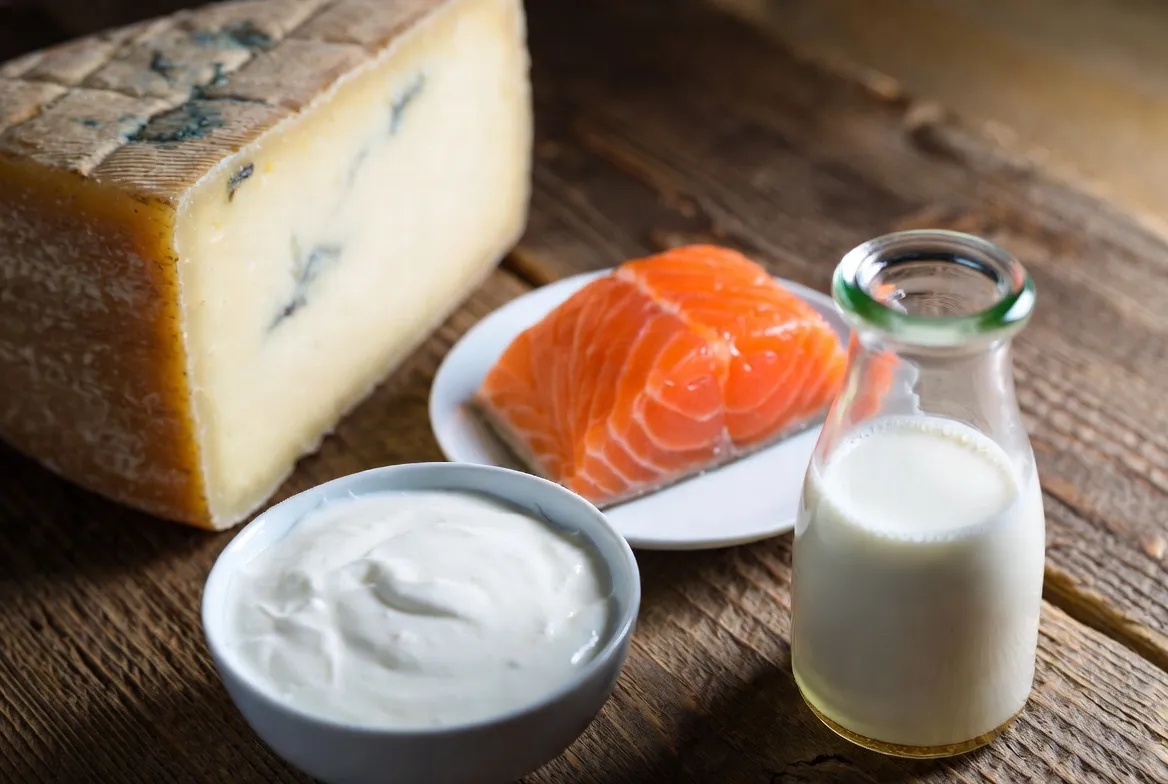
Protecting Your Bones During Menopause: Essential Low-Carb Calcium Sources
The drop in oestrogen during menopause can lead to rapid bone density loss, increasing the risk of osteoporosis. Learn how to protect your skeleton with strategic low-carb calcium sources and lifestyle changes tailored for metabolic health.
Published
Navigating the perimenopause and menopause transition can often feel like a guessing game. While hot flushes, mood swings, and brain fog tend to grab the headlines, one of the most significant changes happening in your body is completely invisible: the rapid loss of bone density.
If you are following a low-carbohydrate or keto lifestyle to manage your weight or blood sugar during this transition, you are already taking great steps for your metabolic health. However, ensuring you get enough calcium without relying on high-carb foods requires a strategic approach.
In this comprehensive guide, we will break down the science of the bone density drop, outline exactly what the UK guidelines recommend, and provide you with a practical supermarket shopping list of the best foods for menopause bone health. Let’s dive into the ultimate guide to low carb calcium sources and menopause osteoporosis prevention.
The Silent Symptom: Understanding the Bone Density Drop
To understand why your bones need extra attention right now, we have to look at your hormones—specifically, oestrogen.
Throughout your life, your skeleton is not a static structure; it is constantly being broken down by “demolition” cells and rebuilt by “builder” cells. During your premenopausal years, oestrogen acts as the ultimate site manager, keeping the demolition cells in check and ensuring your bones stay dense and strong.
When you enter perimenopause and your oestrogen levels begin to naturally decline, that protective mechanism is lost. The demolition cells start working overtime, breaking down bone much faster than your body can rebuild it. In fact, research shows that women can lose up to 20% of their total bone mass in the first five to seven years after menopause.
This rapid decline significantly increases the risk of osteopenia (low bone density) and osteoporosis, a condition where bones become so fragile they can break from a minor bump or fall. The good news? You can actively fight back through smart nutrition and lifestyle choices.
Hitting Your Targets: The Calcium Requirement in the UK
If your body is losing bone, it desperately needs the raw materials to build it back up. Calcium is the primary building block of your skeleton. Because your body cannot make calcium on its own, you have to get it from your diet.
Many women are confused about exactly how much they need. Here is what the UK clinical guidelines advise:
- The General Adult Target: The baseline recommendation for a healthy adult in the UK is 700mg of calcium per day.1
- The Menopause & Osteoporosis Target: If you are postmenopausal, have been diagnosed with osteopenia or osteoporosis, or are taking bone-protective medications, your requirement jumps significantly. Guidelines recommend aiming for between 1,000mg and 1,200mg of calcium daily.1
If you don’t get enough calcium from your food, your body will literally steal it from your bones to keep your heart and muscles functioning properly, which further weakens your skeleton.
Your Supermarket Shopping List: Keto-Friendly & Low Carb Calcium Sources
Finding the best foods for menopause bone health while keeping your carbohydrate intake low is entirely possible. The UK supermarket shelves are packed with fantastic options. Here are the top low carb calcium sources you should be adding to your weekly shop:
1. The Dairy Heroes: Cheese and Yoghurt
Dairy is incredibly efficient at delivering calcium, and if you choose wisely, it fits perfectly into a low-carb diet.
- Hard, Aged Cheeses: Cheeses like traditional Cheddar, Edam, and Parmesan are practically zero-carb because the fermentation process removes the milk sugars. A modest, matchbox-sized portion (30g) of Cheddar or Edam delivers a massive 240mg of highly absorbable calcium.2
- Greek Yoghurt and Skyr: Plain, full-fat Greek yoghurt or Icelandic Skyr are fantastic breakfasts. Not only are they low in sugar, but they are also exceptionally high in protein. A standard 150g serving provides over 200mg of calcium.2
2. Tinned Fish: The Ultimate Calcium Powerhouse
If you want the most efficient, budget-friendly calcium boost available, head to the tinned fish aisle.
- Sardines and Salmon: Tinned sardines and salmon that contain soft, edible bones are nutritional goldmines. The canning process makes the bones soft enough to eat comfortably. A single 100g tin of sardines provides over 300mg of calcium—with absolute zero carbohydrates.3 They also provide omega-3 fatty acids and protein, making them one of the absolute best foods for overall menopausal health.
3. The Great Greens Debate: Why Kale Beats Spinach
If you follow a plant-heavy low-carb diet, you are probably eating a lot of green leafy vegetables. However, when it comes to calcium, not all greens are created equal. This is a crucial distinction for menopause osteoporosis prevention:
- The Spinach Trap: Spinach is often praised for its calcium content, but it contains high levels of an antinutrient called oxalic acid (oxalate).4 Oxalates bind to the calcium in the spinach, making it practically impossible for your body to absorb.4
- The Kale Solution: Kale, along with other cruciferous vegetables like broccoli and pak choi, is naturally low in oxalates. Studies have shown that the body absorbs calcium from kale incredibly well.5 A hearty portion of boiled kale (80g) will give you around 120mg to 150mg of highly usable calcium with very few carbs.6
4. Low-Carb Fortified Alternatives
If you are dairy-free or vegan, you can still hit your 1,200mg target.
- Unsweetened Plant Milks: Fortified soya, almond, or oat milks easily provide 240mg to 300mg of calcium per 200ml glass.6 Just make sure you always check the label and buy the “unsweetened” varieties to avoid hidden carbs and sugars.
- Calcium-Set Tofu: Tofu that has been prepared with calcium is incredibly low in carbs and provides around 200mg of calcium per half-cup serving.3
The Missing Link: The Vitamin D and K2 Factor
You could eat the perfect low-carb, calcium-rich diet, but without Vitamin D, it would be practically useless. Vitamin D is the “key” that unlocks your gut, allowing the calcium from your food to actually pass into your bloodstream.
Our bodies make Vitamin D when our skin is exposed to direct sunlight. However, due to the angle of the sun in the UK, we cannot make any Vitamin D from sunlight between October and early March.7
Because of this severe winter deficit, the UK government (Public Health England) officially advises that everyone should take a daily 10 microgram (400 IU) Vitamin D supplement throughout the autumn and winter.8 If you are actively managing your bone health or have been diagnosed with osteopenia, your doctor might even suggest a slightly higher daily dose (such as 800 IU) to ensure you are fully protected.1
Vitamin K2 is the often-overlooked partner to D3. While D3 increases the amount of calcium absorbed into your bloodstream, K2 (specifically the MK7 form) acts as the traffic controller — it activates proteins that direct calcium into your bones and teeth where it belongs, and away from soft tissues and arteries where it can cause harm. Taking D3 without K2 means you are absorbing more calcium but not necessarily getting it to the right place. A combined Vitamin D3 4000 IU + K2 MK7 supplement (Ad) is the most practical way to cover both — one tablet daily covers the bone-protective action of both nutrients together.
Move to Improve: Why Walking Isn’t Enough
While dialling in your low carb calcium sources is half the battle, the other half is physical movement. Bones operate on a “use it or lose it” basis. They respond to mechanical stress by growing denser and stronger.
Many women believe that a daily walk or light swimming is enough for menopause osteoporosis prevention. While walking is fantastic for your heart and mental health, it does not provide enough impact to stimulate new bone growth in vulnerable areas like the spine and hips.
To tell your body to build bone, you need two things:
- Muscle Pull (Resistance Training): Lifting weights forces your muscles to pull against your bones, which triggers them to strengthen.
- Impact (Ground Reaction Force): Safe, controlled impact exercises—like hopping, stomping, or supervised jumping—send shockwaves up your skeleton that stimulate bone-building cells.9
If you have already been diagnosed with osteoporosis, it is highly recommended to seek out a specialized physiotherapist who can guide you through safe, supervised High-Intensity Resistance and Impact Training (HiRIT) programs.10
Putting It All Together: A Sample Low-Carb Bone Health Menu
Wondering how to hit that 1,000mg to 1,200mg target without spiking your blood sugar? Here is what a calcium-rich, low-carb day could look like:
- Breakfast: A bowl of full-fat Greek yoghurt (200mg calcium) topped with a handful of almonds (50mg calcium) and seeds.
- Lunch: A large salad featuring 100g of tinned sardines with bones (325mg calcium) and a hearty serving of boiled kale (150mg calcium).
- Dinner: A chicken breast served with broccoli (40mg calcium) and a creamy cheese sauce made with 30g of Cheddar (240mg calcium).
- Drinks: One 200ml glass of unsweetened, calcium-fortified almond milk in your teas or coffees throughout the day (240mg calcium).
Total Calcium Estimate: ~1,245mg (Perfectly hitting the therapeutic menopause target while keeping carbs incredibly low!)
Final Thoughts on Menopause Osteoporosis Prevention
The drop in bone density during menopause is a physiological reality, but it does not have to dictate your future. By understanding how oestrogen affects your skeleton, you can take proactive control of your health today.
Focus on prioritizing the best foods for menopause bone health, swap out your high-oxalate spinach for nutrient-dense kale, embrace the power of tinned fish and aged cheeses as your primary low carb calcium sources, and never underestimate the importance of your daily Vitamin D3 + K2 supplement. Pair these nutritional strategies with progressive weight lifting, and you will be giving your skeleton the absolute best chance to stay strong, dense, and resilient for decades to come.
Works cited
- Calcium and vitamin D (colecalciferol) preparations for adults at risk of osteoporosis - North East London - Primary Care Portal, accessed on March 5, 2026, https://primarycare.northeastlondon.icb.nhs.uk/wp-content/uploads/2024/01/Calcium-and-vitamin-D-colecalciferol-preparations-for-adults-at-risk-of-osteoporosis-guidance-NEL_12.2023.pdf
- Calcium content of common foods - International Osteoporosis Foundation, accessed on March 5, 2026, https://www.osteoporosis.foundation/patients/prevention/calcium-content-of-common-foods
- A Guide to Calcium-Rich Foods - Bone Health & Osteoporosis Foundation, accessed on March 5, 2026, https://www.bonehealthandosteoporosis.org/patients/treatment/calciumvitamin-d/a-guide-to-calcium-rich-foods/
- Spinach vs. Kale: Is One Healthier? - Healthline, accessed on March 5, 2026, https://www.healthline.com/nutrition/kale-vs-spinach
- Calcium absorption from kale - PubMed - NIH, accessed on March 5, 2026, https://pubmed.ncbi.nlm.nih.gov/2321572/
- Calcium counts! - British Nutrition Foundation, accessed on March 5, 2026, https://www.nutrition.org.uk/media/xjtlxtfo/calcium-counts.pdf
- Vitamin D and clinically extremely vulnerable (CEV) guidance - GOV.UK, accessed on March 5, 2026, https://www.gov.uk/government/publications/vitamin-d-for-vulnerable-groups/vitamin-d-and-clinically-extremely-vulnerable-cev-guidance
- PHE publishes new advice on vitamin D - GOV.UK, accessed on March 5, 2026, https://www.gov.uk/government/news/phe-publishes-new-advice-on-vitamin-d
- How to Increase Bone Density Naturally: Strength Training & Jump Exercises Explained, accessed on March 5, 2026, https://www.youtube.com/watch?v=6hS8WbWJqTo
- Exercise for Postmenopausal Bone Health – Can We Raise the Bar? - PMC, accessed on March 5, 2026, https://pmc.ncbi.nlm.nih.gov/articles/PMC11985624/
Content is for informational purposes only and does not constitute medical advice. Always consult your GP or a registered healthcare professional before making significant dietary changes, especially if you have a medical condition.