Budget Low-Carb UK: Eating Low-Carb When Money Is Tight
Low-carb eating doesn't have to be expensive. A practical UK guide to eating low-carb on a tight budget — with three weekly meal plans at rising budget tiers, batch cooking strategies, and the supermarket traps to avoid.
Published Updated
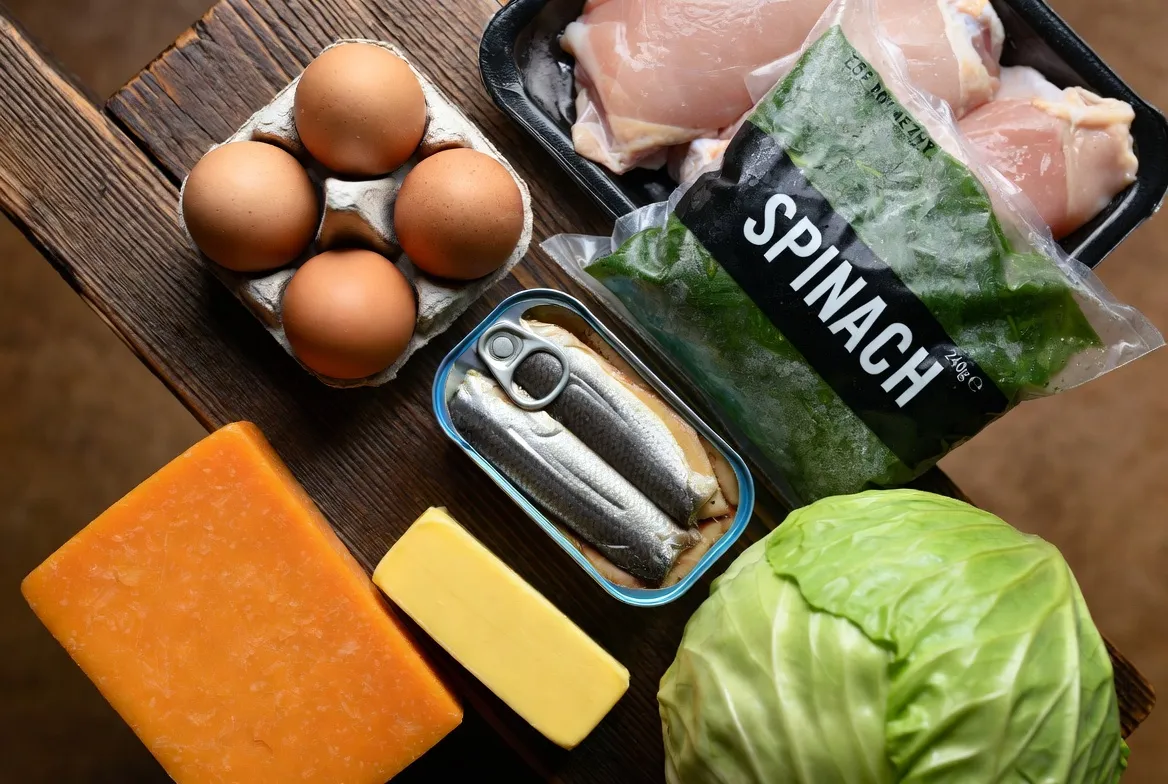
Low-carb eating has a reputation for being expensive. That reputation is largely built on the premium end of the market — grass-fed ribeye steaks, artisan nut butters, cold-pressed avocado oil, specialist keto bars. None of that is necessary. The biological requirement of a low-carb diet is simply reducing carbohydrates while eating enough protein and fat. When you strip away the wellness industry markup, a low-carb diet is built on some of the cheapest foods in any UK supermarket: eggs, tinned fish, butter, mature cheddar, frozen vegetables, and cheap cuts of meat.
This guide is for people who want to reduce carbohydrates but are genuinely constrained by budget. It covers the cheapest low-carb staples in UK supermarkets, three weekly meal plans at rising budget tiers, and practical strategies for making it work without expensive specialist products. Exact prices are deliberately not listed — they change weekly — but the relative economics here are stable: what’s cheapest stays cheapest.
Key Takeaways
- Aldi and Lidl are consistently the cheapest UK supermarkets for core low-carb staples in 2025–2026
- Asda Just Essentials is the best value range in a full-range supermarket, particularly for eggs, butter, and frozen vegetables
- Lidl Simply Pork Sausages contain just 1g of carbs per 100g — the standout budget low-carb sausage in the UK; by contrast, Asda Just Essentials sausages contain 18g of carbs per 100g and should be avoided entirely
- Tinned sardines are the cheapest complete protein in any UK supermarket, measured per gram of protein
- Frozen vegetables are nutritionally equivalent to fresh and dramatically cheaper — but avoid generic “mixed veg” bags which contain sweetcorn, peas, and potato
- Eliminating bread, pasta, rice, cereal, biscuits, and sugary drinks frees up significant budget that offsets the higher cost of protein
Is low-carb actually more expensive?
Honestly, some aspects are. The cheapest calories in any supermarket are refined carbohydrates: white pasta, white bread, white rice. Calorie for calorie, chicken thighs cost more than pasta. That’s real.
But the calculation changes when you account for what you stop buying. A strict low-carb diet eliminates most of the highest-frequency, highest-margin items in the average UK weekly shop: bread, pasta, rice, breakfast cereals, crisps, biscuits, snack bars, fruit juice, and fizzy drinks. For most people, redirecting that spend entirely covers the increased cost of protein.
There’s also a satiety effect with a real economic consequence. Clinical evidence shows that lower carbohydrate intake significantly reduces hunger hormones, and can increase metabolic energy expenditure by 200–280 calories per day. If you’re less hungry, you buy and eat less food overall. A meal of eggs fried in butter and frozen spinach costs pennies and keeps most people full for five to six hours. A meal of cheap pasta and tomato sauce might cost half as much on paper, but causes a blood sugar spike and crash that has you hungry again two hours later — at which point you buy something else. The lower apparent cost of the pasta meal is often a false economy.
The cheapest low-carb staples in UK supermarkets
Carbohydrate figures are from UK nutrition labels (which already show net carbs — no subtraction needed).
Eggs and dairy
| Product | Supermarket | Carbs/100g | Protein/100g | Price |
|---|---|---|---|---|
| 15 free-range eggs | Asda Just Essentials | 0g | 12.1g | Check |
| Butter 250g | Aldi / Lidl own-brand | 0.6g | 0.6g | Check |
| Mature cheddar 400g | Tesco Creamfields / Asda | 0.1g | 25g | Check |
| Greek-style full-fat yogurt 500g | Tesco own-brand | 4.5g | 4g | Check |
| Double cream 300ml | Own-brand (most supermarkets) | 1.6g | 1.5g | — |
| Whole milk 4 pints (2.27L) | Aldi / Lidl / Tesco | 4.8g | 3.6g | — |
Eggs are the foundation. Per gram of protein they are among the cheapest foods in the shop, and they deliver complete protein, essential fats, and zero carbohydrates. Hard-boil a batch of six on Sunday and you have instant no-prep breakfasts and snacks all week.
Tinned and frozen seafood
| Product | Supermarket | Carbs/100g | Protein/100g | Price |
|---|---|---|---|---|
| Sardines in oil or brine 120g tin | Tesco own-brand | <0.5g | 20g | Check |
| Mackerel fillets in brine 125g | Asda own-brand | 0g | 19.5g | Check |
| Tuna chunks in spring water 145g | Own-brand (most supermarkets) | 0g | 24g | — |
| Frozen cod / haddock fillets 1kg | Own-brand (most supermarkets) | 0g | 17g | — |
A single tin of sardines delivers approximately 24g of protein, essential omega-3 fats, and bone-in calcium. Per gram of protein they are the cheapest complete protein source in any UK supermarket. Always buy fish in oil, brine, or spring water — never in tomato sauce, chilli sauce, or mustard, which contain hidden sugars and starch.
Meat and poultry
| Product | Supermarket | Carbs/100g | Protein/100g | Price |
|---|---|---|---|---|
| Bone-in chicken thighs 1kg | Tesco British | 0g | 17.5g | Check |
| Chicken drumsticks 1kg | Own-brand (most supermarkets) | 0g | 18g | — |
| Beef mince 20% fat 500g | Own-brand (most supermarkets) | 0g | 18g | — |
| Pork belly slices 1kg | Lidl Maple range | 0g | 15g | Check |
| Pork shoulder joint 1kg | Tesco | 0g | 21g | Check |
| Unsmoked back bacon rashers 300g | Tesco | 0.5g | 17.4g | Check |
| Chicken livers 400g | Morrisons | 0g | 17g | Check |
Skin-on, bone-in cuts are cheaper to produce and better for a low-carb diet — the fat keeps you full and provides energy. Chicken thighs over chicken breasts every time. Chicken livers are the standout value: exceptional nutritional density — iron, B12, vitamin A — at one of the lowest per-kilo prices in the meat aisle. Pan-fried in butter, ready in five minutes.
The sausage trap: a specific warning
Sausages look like an obvious low-carb food. They often are not. Standard UK budget sausages use wheat rusk, potato starch, and water as cheap fillers.
- Asda Just Essentials 20 Sausages: 18g of carbs per 100g. Two sausages delivers approximately 15g of net carbohydrates. These will knock most people out of a low-carb state. Avoid.
- Lidl Simply Pork Sausages: 1g of carbs per 100g. The budget low-carb sausage. Buy these instead.
Always check the label. The carb count on sausages varies wildly and bears no relationship to price.
Vegetables
| Product | Supermarket | Net carbs/100g | Price |
|---|---|---|---|
| Frozen chopped spinach 450g | Asda own-brand | 1.4g | Check |
| Frozen broccoli florets 1kg | Aldi Four Seasons | 2.8g | Check |
| Fresh white cabbage (whole head) | Most supermarkets | 3.5g | — |
| Fresh courgettes 1kg | Most supermarkets | 1.8g | — |
| Fresh cauliflower (whole head) | Most supermarkets | 0.5g | — |
Critical warning on frozen mixed vegetables: Generic “frozen mixed veg” bags almost always contain sweetcorn, garden peas, and sometimes potato — reaching 12–15g of carbs per 100g. Only buy single-ingredient frozen greens: spinach, broccoli, green beans, or cauliflower.
Nuts, seeds, and nut butters
| Product | Supermarket | Net carbs/100g | Price |
|---|---|---|---|
| Peanut butter 100% peanuts 340g | Sainsbury’s | ~12g | Check |
| Mixed sunflower and pumpkin seeds 250g | Morrisons | ~9g | Check |
“Check” links open the retailer’s own search for the product — prices and availability vary; check there.
Frozen and tinned: the budget low-carb secret
The British Nutrition Foundation confirms that commercial freezing locks in vitamins and minerals at the point of harvest. Research comparing fresh, refrigerated-for-five-days, and frozen vegetables found that frozen broccoli, cauliflower, and spinach frequently contain equal or higher concentrations of vitamins A and C than refrigerator-stored fresh equivalents. Fresh vegetables degrade continuously in transit and at home. Frozen do not.
The economic case is equally strong: frozen leaf spinach typically costs around a third of the per-kilo price of fresh bagged spinach, and the gap is similar for broccoli and cauliflower.
Frozen also eliminates waste entirely. Pull out exactly the portion you need and return the rest to the freezer.
For protein, tinned fish bypasses the fresh fish premium completely. Tinned sardines and mackerel contain the same omega-3 fats, protein, and (in sardines) bone-in calcium as fresh. The cost difference is enormous: fresh salmon costs several times the per-kilo price of tinned sardines, for no nutritional advantage on the measures that matter here.
Three weekly meal plans, by budget tier
All plans are for a single adult. No specialist keto products. No expensive cuts. All meals under 45 minutes. The tiers are relative — Plan A is the cheapest low-carb basket we can construct from UK supermarkets, Plan B adds variety for modest extra spend, and Plan C is a comfortable budget that still avoids premium products entirely.
Plan A: The rock-bottom basket
Maximum repetition to keep the ingredient list minimal. Built on Lidl’s low-carb sausages, eggs, sardines, and frozen greens.
Daily structure:
- Breakfast: 2 scrambled or hard-boiled eggs
- Lunch (alternating): Tinned sardines over steamed frozen spinach / leftover sausages with frozen broccoli
- Dinner (alternating): Crustless egg and cheese quiche (batch-cooked Sunday) / 3 Lidl pork sausages pan-fried with white cabbage sautéed in butter
- Snack: 1 tablespoon peanut butter
Shopping list:
- Asda Just Essentials 15 Eggs ×2
- Lidl Simply Pork Sausages ×2 packs
- Tesco sardines in oil ×4 tins
- Aldi / Lidl butter 250g
- Budget mature cheddar 400g
- Frozen spinach 900g
- Aldi frozen broccoli 1kg
- Fresh white cabbage
- Sainsbury’s peanut butter 340g
Nine items, all from budget own-brand ranges — leave headroom in your weekly figure for tea, coffee, salt, and cooking oil.
Estimated daily macros: Carbs 15–25g | Protein 65–75g
Plan B: The standard budget basket
Adds chicken thighs, beef mince, bacon, and Greek yogurt for more variety.
Daily structure:
- Breakfast (alternating): 150g Greek-style yogurt with mixed seeds / 2 fried eggs and 2 rashers of back bacon
- Lunch (alternating): Leftover batch-cooked beef mince over frozen broccoli / tinned mackerel mixed with Greek yogurt
- Dinner (alternating): Batch-cooked beef mince with frozen diced onions and chopped tomatoes, served with courgette / 2 roasted bone-in chicken thighs with buttered cauliflower
- Snack: 1 hard-boiled egg or 30g cheddar
Shopping list:
- Asda Just Essentials 15 Eggs
- 500g 20% fat beef mince
- 1kg bone-in chicken thighs
- Back bacon unsmoked 300g
- Mackerel in brine ×4 tins
- Greek-style full-fat yogurt 500g ×2
- Butter 250g
- Mature cheddar 400g
- Chopped tomatoes 400g tin
- Frozen broccoli 1kg
- Frozen diced onions 650g
- Fresh cauliflower
- Fresh courgettes 1kg
- Mixed seeds 250g
Estimated daily macros: Carbs 25–35g | Protein 85–100g
Plan C: The comfortable budget basket
Adds double cream, olive oil, and more protein variety. Still no specialist keto products.
Daily structure:
- Breakfast: 3-egg omelette in butter with 30g cheddar and wilted spinach
- Lunch (alternating): Leftover pork belly cold with roasted courgette / white cabbage salad with tinned tuna, olive oil, and sliced boiled egg
- Dinner (alternating): Oven-roasted pork belly with cauliflower cheese (baked in cream and cheddar) / pan-fried chicken mini fillets in garlic cream sauce with frozen green beans / end-of-week frittata with remaining eggs, leftover meat, and cheese
- Snack: 30g mixed seeds or 1 tablespoon peanut butter
Shopping list:
- Budget eggs 15-pack ×2
- Lidl pork belly slices 1kg
- Chicken breast mini fillets 650g
- Tinned tuna in spring water ×4
- Mature cheddar 400g ×2
- Butter 250g
- Double cream 300ml
- Olive oil 500ml
- Fresh cauliflower ×2
- Fresh white cabbage
- Fresh spinach 250g
- Fresh courgettes 1kg
- Frozen green beans 750g
- Mixed seeds 250g
- Peanut butter 340g
Estimated daily macros: Carbs 25–40g | Protein 90–110g
Batch cooking: the economic engine
Batch cooking is the difference between a sustainable plan and a failed one. Having food ready prevents the reactive expensive purchase — the meal deal, the takeaway, the chocolate bar — that happens when you’re tired and hungry.
Beef mince base. Brown 500g of 20% fat mince with frozen diced onions and a tin of chopped tomatoes. Produces four substantial portions for the price of one takeaway side dish. Stores four days in the fridge, freezes indefinitely.
Hard-boiled eggs. Boil six to eight eggs on Sunday. Left unpeeled, they keep for up to seven days in the fridge. Per unit they are the cheapest instant protein available — zero prep time, ready whenever you need them.
Roasted chicken thighs. Roast a full 1kg tray of bone-in skin-on thighs at once. Yields four portions at a fraction of the per-portion cost of breast meat. Strip cold meat from the bones and use across multiple meals. The bones can be simmered for two hours to produce bone broth at zero additional cost — useful for electrolytes during the adaptation phase.
Pork belly rendering. Slow-roast a kilogram of pork belly slices. As they cook, pure pork fat renders out onto the tray. Pour this into a jar, refrigerate, and use it as a free cooking fat all week — frying eggs, sautéing cabbage, cooking vegetables. It costs nothing because it comes from the meat you’ve already bought.
Cauliflower rice. Buy a whole cauliflower rather than a pre-riced pouch. Grate or blitz it in two minutes. Yields four to five portions for roughly a quarter of the pouch price per portion. Portion into bags and freeze raw; it cooks directly from frozen in a frying pan.
Frittata. At the end of the week, any wilting vegetables, scraps of cheese, and leftover cooked meat combine with six eggs and 50g of cheddar into a frittata that yields three to four portions from ingredients you’d otherwise bin. Eats well cold from the fridge.
Realistically, transitioning from daily fresh cooking to batch cooking cuts a meaningful slice off a single adult’s weekly food spend, through economies of scale and the systematic elimination of food waste.
Reducing waste on a tight budget
With almost no financial margin, allowing food to spoil is a serious problem.
Prioritise long-life items. Hard cheeses (tightly wrapped) last weeks. Tinned fish and tinned tomatoes last years. Butter and rendered lard keep for months. Building your shop around these stable items dramatically reduces waste risk.
Buy vegetables frozen when cooking them. Fresh spinach, broccoli, and cauliflower have terrible waste rates in home fridges. Buy them frozen for any cooked use. Fresh cabbage is the exception — a whole head shredded incrementally lasts weeks in the crisper drawer.
The yellow sticker strategy. UK supermarkets reduce perishables in two waves. Minor markdowns (10–25% off) happen in the morning; deep reductions (up to 90% off) typically come in the evening — around 5pm at Morrisons, 7–8pm at Asda and Aldi. Meat reduced to clear can be frozen immediately, making the use-by date irrelevant. A joint at a 70% markdown is a significant weekly saving if you have freezer space.
Cheaper cuts, better nutrition. Modern shoppers pay premiums for lean, boneless, uniform cuts. The cuts fewer people want are cheaper and often better for low-carb:
- Chicken livers (Morrisons, 400g) — exceptional nutritional density, ready in five minutes pan-fried in butter
- Ox cheek and lamb neck — collagen-rich, cheap per kg, become tender with slow braising
- Pork belly — the highest fat-to-cost ratio of any standard supermarket cut
The supplement trap: save your money
When carbohydrate intake drops, insulin falls, and the kidneys excrete sodium more rapidly. This can cause temporary tiredness, headaches, and muscle cramps — commonly called “keto flu.” The supplement industry sells premium-priced electrolyte sachets for this. You don’t need them.
- Sodium: Salt your food generously with standard table salt.
- Potassium: Lo-Salt (potassium chloride salt substitute) is available in the baking aisle of most supermarkets; one tub lasts months.
- Magnesium: Generic unbranded magnesium citrate tablets from a budget pharmacy cost a few pounds for a month’s supply.
These three items cost pennies per day and achieve exactly the same result as branded electrolyte products.
What budget low-carb is not
It is not “just eat whole foods and shop the perimeter.” For someone genuinely constrained by money, that advice is useless. Organic grass-fed beef and wild-caught salmon are not budget options. This guide doesn’t pretend otherwise.
Budget low-carb accepts tinned sardines, frozen spinach, block cheddar, Lidl’s own-brand sausages, and frozen broccoli as valid, nutritionally sound choices. They are. The goal — reducing insulin, stabilising blood sugar, losing weight, improving metabolic health — does not require premium ingredients.
Carbohydrate figures come from UK manufacturer labels; those we could match to manufacturer data on Open Food Facts (eggs, butter, bacon, frozen broccoli, cream, peanut butter) were re-verified in July 2026. Exact prices are deliberately not listed — they change weekly; the relative rankings in this guide are the durable part. Always check the label, as manufacturers reformulate without notice.
Related: Asda Low-Carb Shopping Guide | Aldi Low-Carb Guide | Lidl Low-Carb Guide | UK Net Carbs Explained